Water damage is not always obvious. In fact, some of the worst cases start quietly, tucked inside wall cavities, beneath flooring, or above ceilings where no one thinks to look. By the time discoloration or warping appears on the surface, the damage behind it has often been building for weeks or longer. Knowing what to watch for can save Renton homeowners a significant amount of time, money, and stress.
Why Hidden Moisture Is a Bigger Problem Than It Looks
When water seeps into a wall cavity, it does not just sit there. It spreads. It absorbs into drywall, insulation, and wood framing, weakening structural materials and creating the conditions for mold growth. The tricky part is that the surface may look fine. Paint stays intact. Walls feel dry to the touch. Nothing looks wrong until something very clearly does.
According to the EPA, mold can begin developing within 24 to 48 hours of water exposure. That is a very short window, and most homeowners do not realize there is even a problem within that timeframe.
Warning Signs to Watch For
Some indicators are subtle. Others are more obvious once you know what you are looking at. Here are the most common signs that water may be present behind your walls:
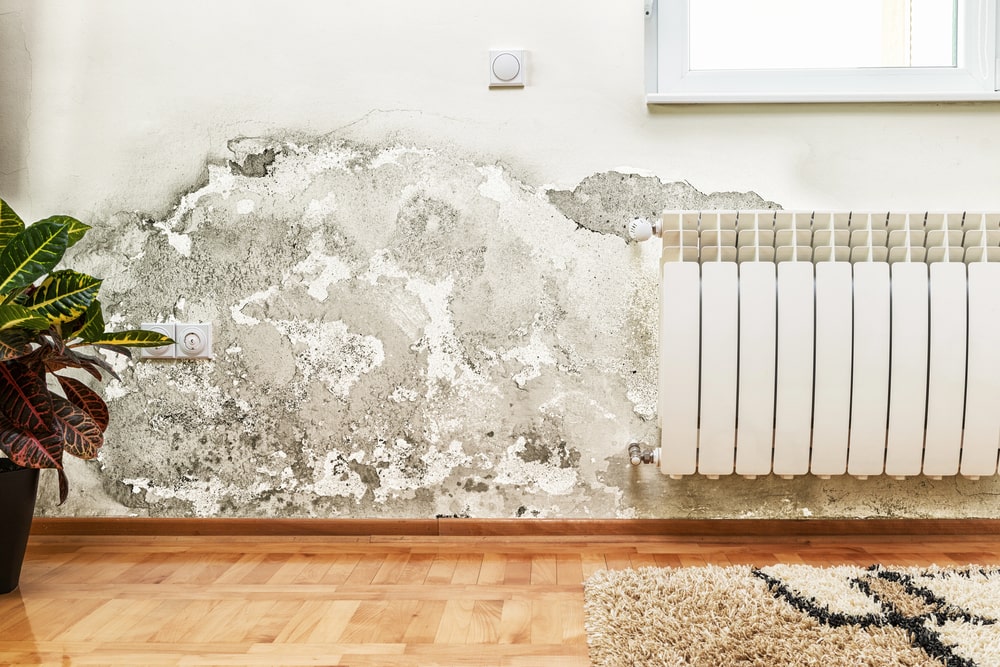
- Discoloration or staining on walls or ceilings, especially yellow or brown spots
- Paint or wallpaper that is bubbling, peeling, or blistering without an obvious cause
- A musty or damp smell in a room that does not clear up with ventilation
- Walls that feel soft, spongy, or slightly warped when you press on them
- Visible mold growth along baseboards, window frames, or in corners
- Unexplained increases in your water bill, which can indicate a slow leak
None of these signs on their own confirms a major problem, but any combination of them should prompt a closer look. Do not wait for the wall to visibly cave before taking action.
Common Sources of Water Inside Walls
Understanding where moisture is likely to come from helps narrow down the problem faster. In residential homes, the most frequent sources include leaking supply lines behind sinks or toilets, slow drips from aging pipe fittings, roof leaks that travel down wall cavities, and window seals that have deteriorated over time. Appliance failures, like a washing machine hose slowly weeping, can also send water directly into wall framing without making a sound.
How Professionals Detect Hidden Moisture
A trained water damage technician does not rely on visual inspection alone. Moisture meters can read the saturation level inside drywall without cutting into it. Infrared cameras detect temperature differences behind walls that indicate wet areas. These tools allow for a much more accurate picture of what is happening inside a structure, and they help technicians pinpoint the source rather than simply treating the surface.
This level of detection matters because water does not stay where it starts. It moves along framing members, travels through insulation, and finds its way to lower areas of the structure. Addressing only the visible damage often means leaving the real problem untouched.
What Happens If You Wait
The longer moisture stays inside a wall, the more it costs to fix. Drywall that might have been dried and saved after a day or two often has to be removed and replaced after a week. Wood framing that would have survived with proper drying can develop rot or mold that requires remediation. Insurance coverage can also become a factor, as some policies reduce or deny claims when damage is considered the result of long-term neglect rather than a sudden event.
Homeowners who act quickly typically face less disruption, lower repair costs, and a cleaner path back to a dry, stable home. Our Renton residential water damage services use moisture meters and infrared cameras to locate hidden water before it spreads further into a home’s structure.
What You Can Do Right Now
If you suspect moisture inside a wall, start by checking plumbing fixtures nearby. Look under sinks, around toilets, and behind appliances for signs of dripping or pooling. Check the exterior of the home around windows and rooflines after heavy rain. If you smell something musty and cannot find the source, that alone is a reason to bring in a professional.
Cutting a small inspection hole in drywall is sometimes the most straightforward way to confirm what is happening inside a wall cavity. It is a minor repair compared to what may be waiting on the other side of unaddressed moisture damage.
When signs point to a larger issue, getting professional eyes on the problem quickly is the right call. Renton residential water damage services are built for exactly these situations, from pinpointing hidden moisture to fully drying and restoring affected areas.
If you have spotted any of these warning signs in your home, do not put it off. First Response Water Damage has been serving Washington homeowners since 1989, and our team is available around the clock to respond, inspect, and get your home back on track.

Contact us now for water, smoke & odor remediation!