
Recommended water damage specialists with over 35 years serving Bellevue homeowners.
When water damage hits your home, your belongings, your routines, and the place your family lives are all caught up in the situation, and you immediately feel the pressure to get everything back to normal. At First Response Water Damage, our Bellevue, WA residential water damage services are built around homeowners, and we offer the level of attention to detail that comes from working in Washington houses for over three decades.
We are a family-owned business. Brent and Nicole Rice founded the company in 1989 and still run it today, and the people who arrive at your door are the same crew that has been with us for years. Call our office today for help. We will answer your immediate questions and schedule a visit at a time that works for you.
Residential Water Damage Services Bellevue, WA
Residential water damage service is a specialized form of restoration work, and the company performing it should understand homes specifically. Houses have hidden spaces, including crawlspaces, attics, the cavities behind kitchen cabinets, and the framing beneath hardwood floors. Water does not stay where it started, and identifying where it traveled requires moisture meters, infrared imaging, and the kind of trained judgment that develops after thousands of residential jobs.
Bellevue homeowners call us after burst pipes, appliance failures, roof leaks, sewer backups, sump pump failures, and the occasional mystery leak that first appears as a stain on a downstairs ceiling. Each scenario receives a different scope of work, but the goal is always the same: to get your home dry, document everything for your insurance carrier, and restore the property so that you would never know it happened.
Types of Residential Water Damage Services We Handle in Bellevue
Residential losses come from a manageable list of causes, but each one presents different challenges depending on where the water traveled and what materials were affected. Our water damage repair contractors in Bellevue, WA have experience with the following issues and services:
- Deodorizing water damage service. Water losses frequently leave behind lingering odors from saturated materials, contamination, or trapped moisture in places drying alone cannot reach. We apply targeted deodorizing treatments to neutralize the source of the smell rather than masking it, so your home actually smells clean after the work is complete.
- Flood damage repair. Foundation seepage, sump pump failure, and sewer backup each present different challenges. We extract the water, dry the structural materials, and address the source of the intrusion when possible.
- Water damage remediation. Remediation covers the full scope of returning a residential property to pre-loss condition, including extraction, drying, decontamination, demolition, and the documentation that supports your insurance claim from start to finish. We coordinate each phase so nothing gets handed off mid-process or left for someone else to figure out.
- Burst pipe and supply line repair. Frozen pipes, corroded copper in older Bellevue homes, and failed shutoff valves all release clean water at high volume. We extract the water, dry the affected area, and document the loss for your insurance file.
- Hot water tank failures. A tank that fails overnight can release 50 gallons or more before anyone notices, saturating flooring, drywall, and adjacent rooms. This is one of the most common causes of residential water damage we respond to in Bellevue homes.
- Washing machine and dishwasher overflows. Appliance hoses are among the most common residential water damage sources. Hidden water under cabinets and behind walls causes most of the long-term damage that results from these losses.
- Toilet overflows and sewage backups. Category 3 water requires specific containment, removal protocols, and antimicrobial treatment. We handle the cleanup, the disposal, and the decontamination of affected areas in residential properties.
- Roof leaks and storm intrusion. Pacific Northwest weather drives water into ceilings, attics, and wall cavities, and the damage is not always visible from inside the home. Part of our assessment involves identifying flood damage that extends well beyond the obvious staining.
- Crawlspace water damage. Bellevue homes with crawlspaces are particularly prone to standing water from groundwater intrusion or plumbing leaks. We handle extraction, drying, and vapor barrier replacement when needed.
- Hidden leaks behind walls. Slow drips from supply lines, drains, or HVAC condensate lines often go undetected for weeks, and the damage compounds quickly behind the scenes.
Why Choose First Response Water Damage for Residential Services in Bellevue, WA?
A Family-Owned Company That Treats Your Home Like Our Own
Brent Rice founded First Response Water Damage in 1989, and his wife Nicole has been part of the operation from the beginning. The company is still family-owned today, and that shows up in how we treat the homes we work in. Insurance adjusters and other contractors regularly note how clean our demolition zones are. We do not track mud through your living room. We do not leave debris in your driveway overnight. Working through a water loss is difficult enough without the property turning into a construction site, and we treat each home the way we would want our own treated.
Crews Who Have The Necessary Skill and Experience
Field supervisor Seth has been with us for over a decade, and several of our technicians are approaching that mark themselves. We do not send inexperienced crews into your home. Brent is on jobsites regularly, working alongside the crew rather than directing operations from a desk. Across Bellevue, Washington, we have handled thousands of residential water damage losses, ranging from small bathroom leaks to whole-home floods, and the work is always assigned to people who understand what they are looking at.
We use Xactimate, the same estimating software your insurance carrier uses to scope claims. That alignment keeps the conversation focused on the work rather than the paperwork. Pricing is free or fee based, situation dependent, and we will be clear with you upfront about which applies to your project. We are listed with the Better Business Bureau and follow standards published by the IICRC, the recognized governing body for the water restoration industry.
Understanding Residential Water Damage Services
Materials, Methods, and Costs for Residential Work
Residential water damage repair involves materials and finishes that vary widely from house to house. Hardwood floors, tile, carpet, drywall, cabinetry, paint, and trim all behave differently when wet, and matching existing finishes during the rebuild phase is often as important as the drying work itself. Modern equipment has reduced drying times significantly compared to what was standard 25 years ago, and we have kept current with each generation of technology.
- Air movers and dehumidifiers form the core of residential drying setups, with placement and sizing based on the affected area’s cubic footage and material composition.
- Infrared thermal imaging locates moisture behind walls and under floors without invasive demolition, which often reduces the repair scope considerably in residential settings.
- Moisture meters and hygrometers document drying progress for the insurance file, with daily readings confirming that materials are reaching dry standard.
- Antimicrobial application protects materials during the drying process when contamination warrants it, and we apply these products selectively rather than as a default.
- Containment barriers isolate the work area from the rest of the home, which matters in residential settings where families are still living in the property during mitigation.
- Controlled demolition removes only what cannot be salvaged, preserving as much original material as possible to keep your repair costs reasonable.
- Replacement materials include drywall, insulation, flooring, baseboards, and cabinetry, all sourced and installed to match existing finishes wherever possible.
Important Aspects of Your Residential Water Damage Project
A handful of factors have the biggest impact on how a residential job moves from start to finish.
- Source identification. No drying or rebuilding work has value if the source is still active. We confirm the leak has been repaired or addressed before any reconstruction begins on the property.
- Time elapsed. Mold can begin growing within 24 to 48 hours, which is why waiting to call is one of the costliest mistakes a homeowner can make. The longer water sits, the more material has to be removed and the longer the drying phase runs.
- Material salvageability. Some materials can be dried and saved, while others must be removed. This assessment happens on the first day and shapes the entire scope of the project.
- Family disruption. Residential jobs take place in occupied homes most of the time. We schedule work, sequence demolition, and stage equipment in ways that minimize the disruption to your daily life.
- Insurance scope alignment. The insurance claim process moves faster when our scope of work matches the format your adjuster expects to receive, which reduces back-and-forth and keeps the project moving forward.
Residential Water Damage Project Timeline
Residential projects move through predictable phases, though the duration of each varies with the size and category of the loss.
- Initial assessment and scoping. We document the affected area, take moisture readings, and prepare an Xactimate scope for your insurance carrier. This typically takes place during the first visit to the property.
- Mitigation and drying. Extraction, demolition of unsalvageable materials, and equipment placement all happen first. Drying then runs three to five days for most residential losses, with daily monitoring throughout.
- Reconstruction phase. Once materials reach dry standard, the rebuild begins. Drywall, insulation, flooring, paint, and trim are replaced to match the pre-loss condition of the home.
- Final inspection and turnover. We document final moisture readings, photograph the completed work, and submit the file to your insurance carrier. The home is turned back over to you with full documentation.
What to Have Ready for Your Estimate
A few items help us prepare an accurate scope during the first visit to your home.
- Photos of the affected areas taken when the damage was first discovered, ideally before any cleanup or material removal took place.
- Information about the water source, including whether the leak has been repaired, when the loss was discovered, and how long the water sat before mitigation began.
- Your homeowner’s insurance carrier and policy number if you have already filed a claim or plan to file one shortly.
- A general budget range if you are paying out of pocket or anticipate coverage gaps that may require homeowner contribution to the project.
- Access details for pets, alarm codes, or HOA documentation if your Bellevue property requires special arrangements.
The first visit focuses on understanding the full scope of the damage rather than selling you a repair plan. We will explain what we observe, what your options are, and what your carrier is likely to cover.
Washington State Residential Water Damage Regulations and Resources
Bellevue water damage work falls under several Washington and federal regulations. The resources below help homeowners verify contractor credentials and understand the standards that apply to residential restoration work.
- Washington L&I handles contractor registration and bond verification for all restoration companies operating in the state.
- Washington State Building Code is administered by the State Building Code Council and applies to any rebuild work that follows water damage mitigation.
- City of Bellevue permits cover structural rebuild work after extraction and mitigation are complete.
- EPA mold guidance outlines remediation protocols when water damage has led to fungal contamination in residential properties.
- EPA flood cleanup provides guidance on indoor air quality after water intrusion in homes.
- IICRC S500 standard is the recognized industry standard for water damage restoration and the framework we work within on every residential job.
Verifying a contractor’s L&I registration takes only a few minutes online and is the most basic protection a homeowner has against unlicensed operators.
Reach Out to First Response Water Damage for an Estimate
Water damage in your home becomes harder and more expensive to address the longer it waits. If you are a homeowner in Bellevue, WA dealing with damage that requires professional attention, reach out to our team and we will schedule a visit.
Brent or someone on the crew will walk you through what to expect, and pricing is transparent throughout the process. The work is performed by people who have handled thousands of residential water damage projects across Washington since 1989.
Residential Water Damage Statistics in Bellevue
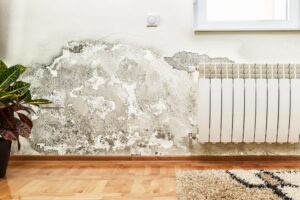 Water damage ranks among the most common and costly problems homeowners face. Nationwide, water damage and freezing are the second most frequent homeowners insurance claim, behind only wind and hail, and about 1 in 67 insured homes files a water damage or freezing claim each year, according to the Insurance Information Institute. Those claims made up roughly 22.6% of home insurance claims in 2023, with an average payout near $15,400.
Everyday leaks add up. The EPA WaterSense program reports that household leaks waste nearly 1 trillion gallons of water nationwide each year, and 10% of homes have leaks that waste 90 gallons or more per day. In a rainy region like Bellevue, staying ahead of water problems matters for the condition of your home.
Common Causes of Residential Water Damage
Most home water damage traces back to a handful of sources. Knowing where the risk resides helps you catch a problem early, and it tells our crews where to look when we arrive. The causes below account for the majority of the residential calls we answer in Bellevue.
- Burst and leaking pipes. A pipe can fail from age, corrosion, or a hard freeze, releasing hundreds of gallons in a short time. Hidden supply lines inside walls often leak unnoticed until staining or warping appears.
- Appliance failures. Water heaters, washing machines, dishwashers, and refrigerator lines all connect to a water supply, and a cracked hose or worn fitting can flood a room while you are away.
- Roof leaks and storm intrusion. The Puget Sound region’s steady rain finds its way through worn shingles, failed flashing, and clogged gutters, then travels into attics, ceilings, and walls.
- Sewer and drain backups. A blocked main line can push contaminated water up through the lowest drains. This water carries health risks, so our sewage cleanup follows strict sanitation steps.
- Basement and crawl space seepage. Below-grade spaces collect groundwater during heavy rain, especially when a sump pump fails or a foundation has cracks.
- Overflowing fixtures. A toilet, sink, or tub that overflows sends water across floors and into subflooring within minutes.
Whatever the source, the response follows the same path. We start with a fast 24/7 water damage response, remove the standing water, and then rely on measured water mitigation services to dry the structure before mold or rot sets in. Acting within the first day makes the difference between a manageable repair and a major one.
Bellevue Residential Water Damage FAQs
Water damage moves fast, and a quick, professional response protects your home from lasting harm. First Response Water Damage is here to help throughout the full recovery process, from emergency extraction and drying through the repairs that put your home back together. Below are some of the most common questions we hear from homeowners about water damage:
How quickly should I respond to residential water damage?
Respond right away. Water spreads into flooring, drywall, and framing by the hour, and mold can begin to grow within 24 to 48 hours. The sooner extraction and drying start, the less material has to be removed and replaced. If the source is still active, shut off the water and, when safe, cut the power to the affected area. Then call a restoration company so professional drying can begin before the damage deepens. What you do in the first 24 hours often decides how much of your home gets retained.
Does homeowners insurance cover residential water damage?
It depends on the cause. Most policies cover sudden, accidental water damage, such as a burst pipe or an overflowing appliance. They typically exclude gradual leaks tied to poor maintenance and flooding from outside the home, which needs separate flood coverage. Because coverage varies from one policy to another, review your policy and report the loss promptly. Documenting the damage early and stopping further harm both help your claim.
How much do residential water damage services cost?
Cost depends on how much water is present, the category of water, and how much material the drying and repair involve. We price our work through Xactimate, the same estimating software insurance carriers use, which keeps the numbers consistent with what your insurer expects. A consultation may be free or fee based, depending on the circumstances. We explain the scope in plain terms before work begins so there are no surprises.
Will water damage lead to mold?
It can, and quickly. Mold can take hold within 24 to 48 hours when materials stay wet, which is why thorough drying matters as much as removing the visible water. We use moisture meters to confirm that walls, floors, and framing reach a safe dry standard, not just a dry surface. Catching and drying hidden moisture is the step that keeps a water problem from becoming a mold problem later.
Can I clean up residential water damage myself?
Small spills you can handle. Larger losses need professional equipment, because water travels into places a mop and a household fan cannot reach. Truck-mounted extractors, commercial air movers, and dehumidifiers dry a structure far faster than consumer tools, and moisture meters confirm the job is complete. That is why professional water extraction reaches moisture that a mop and a household fan leave behind. Contaminated water from a sewer backup always calls for professional handling, since it carries bacteria and viruses that require containment and disinfection.
How long does the drying process take?
Most homes dry in three to five days, though the timeline depends on how much water was involved and which materials it reached. Dense materials like hardwood and plaster release moisture slowly and can take longer. We place drying equipment based on the readings, then return to track moisture daily and adjust until the structure is dry. We share the expected recovery timeline after the first assessment so you can plan around the work.
Do you work with my insurance company?
Yes. We document the loss with photos and moisture readings, prepare the estimate in Xactimate, and communicate with your adjuster throughout the insurance claim process. That record supports your claim and helps it move without disputes over competing bids. You still choose your contractor and stay in control of the process. Our job is to make the paperwork side as straightforward as the drying aspect.
Local Information for Bellevue Residential Water Damage
Water Damage Risks for Bellevue Homes
Bellevue’s wet climate and mix of older and newer homes create specific water damage risks. The Puget Sound region sees heavy rain from fall through spring, which pressures roofs, gutters, and foundations across the city. Many Bellevue homes have basements, crawl spaces, and daylight lower levels that collect water during storms or when a sump pump fails.
Aging supply lines and water heaters in established neighborhoods add to the risk, and homes near Lake Washington, Kelsey Creek, and low-lying areas face a higher chance of storm-related flooding. The heaviest rain usually falls between November and February, so late fall is the right time to clear gutters, test your sump pump, and check the age of your water heater before the wettest months arrive. Knowing your home’s weak points helps you act before a small leak becomes a large loss.
Important Local Resources for Bellevue Residential Water Damage
If water damage strikes your Bellevue home, a few local contacts can help you stop the source and begin recovery. The list below is a starting point.
- Bellevue Utilities: Call 425-452-7840, a 24-hour line, for flooding, water main breaks, and sewer overflows in the city system.
- Puget Sound Energy: Call 1-888-225-5773 to report an electric or natural gas emergency, or to arrange a service shutoff, when water reaches wiring or appliances.
- City of Bellevue Development Services: Call the permit center at 425-452-6800 about permits for structural repairs after significant damage.
First Response Water Damage provides this list for your convenience only. We do not endorse these organizations, and they neither endorse nor compensate us.
About First Response Water Damage
First Response Water Damage is a family-owned restoration company that Brent and Nicole Rice have run since 1989. Brent works as a hands-on water mitigation first responder and views the job as a chance to restore some normalcy for people during a stressful time. Nicole leads operations and customer service, and you can learn more about Brent and Nicole Rice on our about page. The company carries a Washington state contractor license for the repairs that follow drying.
What Our Clients Say
⭐⭐⭐⭐⭐
“They were very helpful in not only addressing our water damage but clearly communicating about the process, working with insurance, and recommending contractors for restoration.” – Matthew Kline
Read more reviews on our Google Business Profile.
Contact First Response Water Damage
When water damage hits your Bellevue home, fast action limits both the damage and the cost. First Response Water Damage answers calls around the clock, and a real person, often owner Brent Rice, will talk through your situation and schedule an assessment. A consultation may be free or fee based, depending on the circumstances, and we will explain the scope and work directly with your insurance carrier. Contact us to start your recovery and get your home dry, clean, and restored.

Contact us now for water, smoke & odor remediation!