Are you looking for a water damage remediation service in Bellevue, WA?
At First Response Water Damage, we bring 35 years of experience guiding Bellevue property owners through complex water damage remediation.
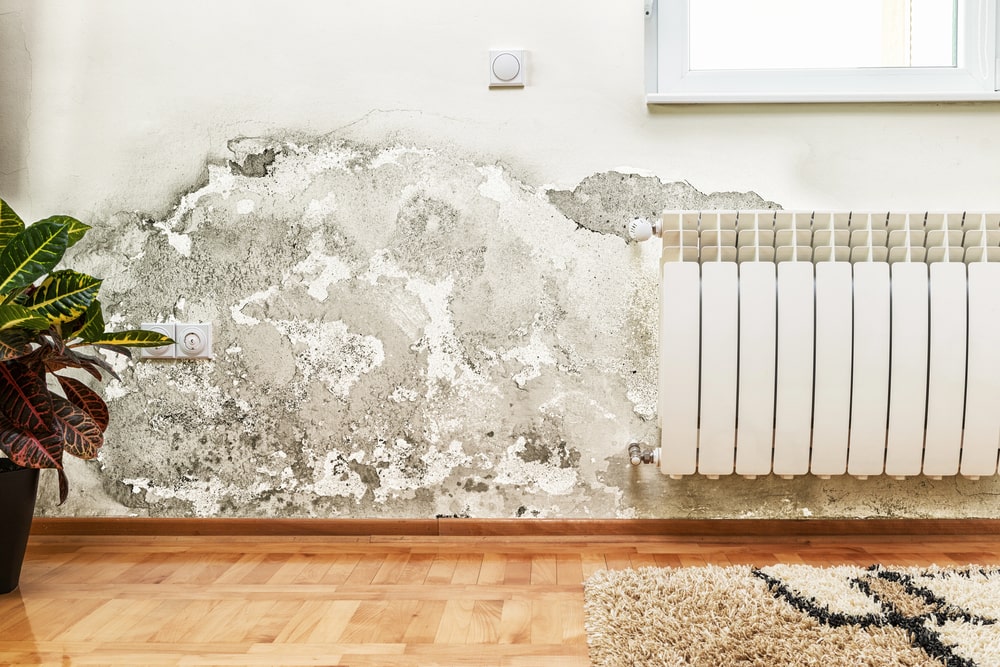
Water damage that goes untreated shifts from a cleanup problem to a health concern. If a water leak in your Bellevue property has led to mold, staining, or contaminated building materials, professional remediation removes what cannot be salvaged and restores the space to a safe, dry condition.
Our Bellevue, WA water damage remediation addresses the contamination directly, from containment through clearance. Thirty-five years of restoration work around Bellevue have taught us to scope each remediation to what inspection and moisture data reveal, rather than to a fixed template. Reach out to arrange an inspection.
Water Damage Remediation Bellevue, WA
Water damage remediation is the process of removing contaminated or unsalvageable materials after a water loss, treating what remains, and confirming the space is safe before repairs begin. It reaches further than cleanup. Where cleanup clears standing water and surface soil, remediation addresses the microbial growth, absorbed contamination, and structural moisture that a serious loss leaves behind. The goal is not a dry surface alone but a structure that will not grow mold or hold odor once the walls are closed again.
Bellevue Utilities maintains roughly 20,000 public storm drains, and in heavy storms that system can be overwhelmed, pushing water toward homes and businesses. Sprinkle in our region’s wet winters, aging plumbing, and any burst pipes that happen after a hard freeze, and local properties stay exposed to intrusion. Leaving that damage untreated carries hidden risks, and they grow stronger the longer moisture sits in the structure.
Types of Water Damage Remediation Services We Handle in Bellevue
Remediation looks different depending on the source of the water and what it left behind. Ignored losses tend to be the most involved, since the hidden risks of untreated water compound over time. These are the water damage remediation situations we take on across Bellevue, and each calls for a different mix of containment, removal, and treatment.
- Flood damage repair. Storm and surface water push contaminants and sediment into a building. Remediation here means removing the porous materials the water reached, disinfecting the structure, and drying what stays in place. We treat flood intrusion as contaminated from the start.
- Sewage cleanup. A sewer backup introduces bacteria and pathogens that ordinary cleaning cannot resolve. We contain the area, remove affected materials, and apply antimicrobial treatment to every surface involved. Protective equipment and disposal protocols apply throughout the job.
- Residential water damage. In homes, remediation centers on protecting living space while removing hidden moisture and any growth behind it. We isolate the work area and keep the rest of the home usable where we can. Belongings are assessed individually for salvage.
- Water mitigation. Mitigation is the emergency phase that limits damage before full remediation begins. We stop the water source, extract standing water, and stabilize conditions so contamination does not spread further. Fast mitigation reduces how much has to be removed later.
- Deodorizing water damage. Water losses often leave lingering odors from bacteria and trapped moisture. We treat the source of the smell rather than masking it, folding air treatment into the remediation itself. A clean-smelling space is one sign the work is genuinely finished.
- Water damage repair. Once remediation is complete, the structure is ready for reconstruction. We coordinate the repair of removed drywall, flooring, and finishes so the property returns to its earlier condition. Remediation and repair stay connected the whole way through.
Why Choose First Response Water Damage as my Water Damage Remediation Service in Bellevue, WA?
Remediation Verified by Testing
Removing visible mold is only part of remediation. We rely on moisture readings and, where the situation calls for it, testing to confirm the contamination is actually gone before a project closes. Every step is recorded, which matters when an insurer or a future buyer asks what was done and how. Owners across Bellevue have relied on us for that work for years, and their reviews reflect the quality service we’re dedicated to providing. We would rather document a project in full than skip a step and leave a question unanswered later.
An Owner-Operated Bellevue Response
First Response Water Damage is owned and operated by Brent and Nicole Rice, not run from a distant corporate office. When you call, the people accountable for the result are the ones who built the company. Remediation is one part of the broader water damage restoration in Bellevue, WA that we provide, from the first emergency call through the final repairs. That continuity means the crew removing the damage already understands what the rebuild will take.
What Is Important To Understand About Water Damage Remediation?
The Water Damage Remediation Process
Before any of it begins, we confirm and stop the water source, since the leak’s source shapes the entire remediation. From there, the work follows a defined sequence, and each step has to finish before the next starts. On a typical project we:
- Contain the affected area with barriers and negative air pressure so contamination cannot spread.
- Remove porous materials, such as saturated drywall, carpet, and insulation, that cannot be disinfected.
- Run HEPA air scrubbers and clean the remaining surfaces with antimicrobial treatment.
- Dry the structure to a documented moisture target.
- Verify the result with moisture readings and, when warranted, clearance testing before rebuilding.
The Washington Department of Health advises bringing in a professional once mold covers more than roughly ten square feet, which is exactly where controlled remediation earns its place. Skipping that verification is how contamination quietly returns, so we treat testing as part of the work rather than an extra.
How Long Does Water Damage Remediation Take?
Remediation timelines depend on how far the contamination spread and how much material has to come out. A contained, single-room project often finishes in three to five days, covering containment, removal, treatment, and drying. Larger losses, sewage events, and cases with widespread mold run longer, since more material is removed and clearance testing is repeated until it passes.
We share a projected schedule after the assessment and adjust it as drying data comes in, so the timeline reflects the structure rather than a guess. Reconstruction is scheduled on its own, once the space has cleared. Throughout, we keep the owner informed at each stage, so decisions about materials and scheduling never arrive as a surprise.
What Determines the Scope of Remediation
No two remediation projects match exactly. The scope depends on a handful of conditions we assess at the start:
- How far moisture and any growth extend beyond the visible damage.
- The category of water, since contaminated sources call for more removal.
- The materials affected, because porous ones are harder to save than sealed surfaces.
- How long the problem has gone unaddressed, as delay widens the affected area.
Hidden moisture drives many of these calls, and hidden water damage behind walls often widens the scope once it surfaces. Not every damp area calls for full remediation, though, and we will say so when a targeted cleanup is the honest recommendation.
What to Expect From a Remediation Assessment
The assessment is where the scope becomes clear. We inspect, measure, and explain the plan before any work is scheduled. A few things are useful to have ready:
- The location and suspected source of the water or moisture.
- Any history of leaks, flooding, or prior water damage in the area.
- Insurance details, if you intend to file a claim.
- Access to basements, crawl spaces, and the areas behind built-in fixtures.
We walk the property, identify what has to be addressed, and explain which materials can stay and which cannot, so nothing about the plan comes as a surprise once the crew begins.
What Are Some Important Washington Water Damage Remediation Regulations and Resources?
Remediation and the repairs that follow are governed by state licensing and local building rules. These references help Bellevue property owners understand who should perform the work and what a project involves:
- Licensing. Construction contractors in Washington must hold active state contractor registration, which you can verify before hiring anyone.
- Building standards. Reconstruction after a loss has to meet the state building code, a group of model codes adopted with Washington amendments.
- Permits. The Bellevue permit office issues the permits that structural repairs inside the city can require.
- Lead-safe work. In buildings that predate 1978, the EPA lead-safe rules govern how contractors handle painted surfaces during removal.
We manage the licensing and permitting side of a remediation, so the project stays properly documented from start to finish.
Reach Out to First Response Water Damage to Schedule a Consultation
A prompt, thorough remediation keeps a water loss from becoming a long-term problem in the walls and air of your property. We remove what is contaminated, treat what remains, and confirm the space is safe before any repairs start. Our estimates run through the system insurers use to approve claims, which keeps the cost side clear. Contact us to schedule an inspection. We respond to Bellevue properties at any hour.

Contact us now for water, smoke & odor remediation!