Are you looking for a commercial dehumidifying equipment service in Renton, WA?
At First Response Water Damage, we bring more than 35 years of moisture control and structural drying work to commercial properties across Renton and the surrounding area.
Saturated air keeps drywall, framing, and flooring wet long after standing water is removed. If water has spread through your commercial building in Renton, professional dehumidification equipment can pull the moisture out of the structure before it causes lasting damage.
Our Renton, WA commercial dehumidifying equipment service draws that trapped humidity down before it feeds rot, warping, or mold. First Response Water Damage has responded to commercial water losses for 35 years, sizing the drying plan to each building we enter. Reach out to schedule equipment on site.
Commercial Dehumidifying Equipment Service Renton, WA
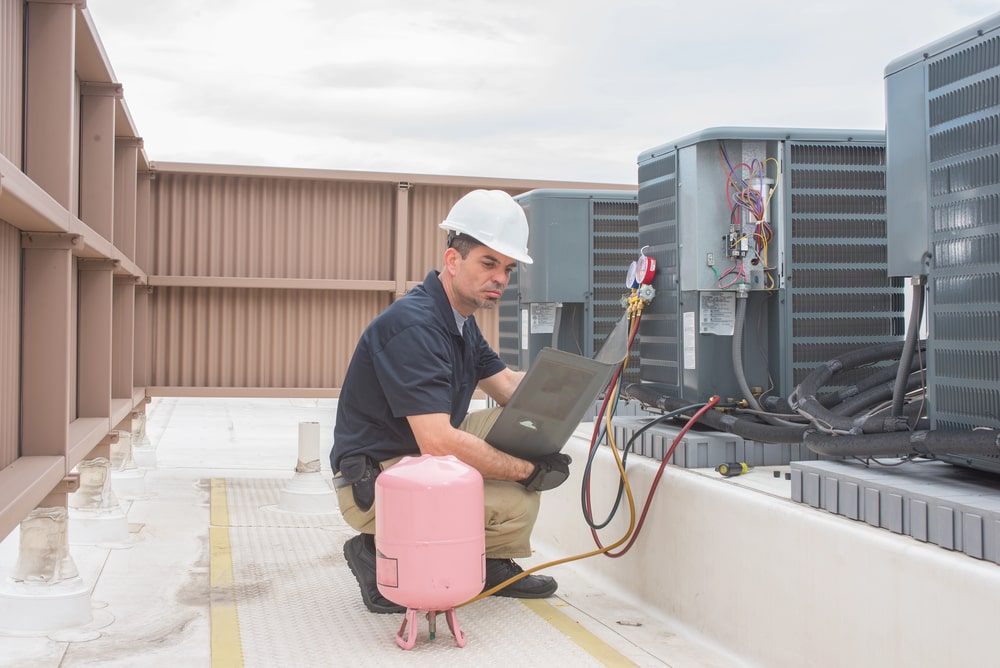
A commercial dehumidifying equipment service brings industrial dehumidifiers into a wet structure to pull water vapor out of the air, the framing, and the contents until the building reaches a documented dry standard. These units are far larger and more powerful than any dehumidifier built for a home. They work around the clock, condensing or absorbing the moisture that air movers lift off saturated surfaces.
King County averages about 46 inches of precipitation a year, and close to two-thirds of it falls between October and March. That damp outdoor air works against any structure already holding water inside. Commercial dehumidification counters that load, holding indoor humidity low enough that wet framing and finishes release their moisture instead of retaining it.
Types of Commercial Dehumidification Services We Handle in Renton
Drying a commercial space requires more than a single dehumidifier in one room. We pair dehumidifiers with supporting equipment and the moisture readings that confirm the structure is releasing water. These are the moisture-control services we provide on commercial projects across Renton.
- Commercial water damage repair. Broken supply lines, failed roofs, and sprinkler discharge can flood a large commercial floor within minutes. We trace how far the water traveled, stabilize the space, and position dehumidifiers across the affected area. Larger losses receive additional drying capacity.
- Air moving equipment. Dehumidifiers remove water from the air, while air movers lift it off wet floors, walls, and cavities. We position them to direct moisture toward the dehumidifiers, so the two work together throughout the drying cycle.
- Infrared moisture detection. Water often hides behind walls and beneath flooring where it cannot be seen. Infrared cameras read the temperature differences that reveal damp material, which shows us where to focus the drying equipment.
- Hygrometer measurement. Effective drying depends on measurement. Hygrometers track the temperature and humidity inside the space, confirming that the dehumidifiers are lowering the readings, which we record daily.
- Moisture detector service. Pin and pinless meters confirm how wet a specific material is, from subfloor to studs to insulation. We check the same points over several days to verify the readings continue to fall.
- Drying and restoration. Once a structure reaches its dry goal, the work shifts toward rebuilding the space. We coordinate the drying phase so repairs begin on dry, stable framing rather than trapped moisture.
- Safe drying and sanitizing. Water that has stood for any length of time can leave contamination behind. We combine cleaning and sanitizing with the dehumidification process so the dried space is safe to reoccupy.
Why Choose First Response Water Damage as my Commercial Dehumidifying Equipment Service in Renton, WA?
Thirty-Five Years of Renton Moisture Control
We have run drying equipment through commercial water losses for more than three decades, and that history shows in how quickly we assess a wet building. Our crews cover the full range of water damage restoration in Renton, WA, and commercial dehumidification is central to that work.
Dehumidifiers perform the core function of structural drying, removing the moisture that air movers lift off wet surfaces. Founders Brent and Nicole Rice built First Response Water Damage around rapid response, and that priority still guides every commercial call.
Pricing Built on Xactimate
We estimate with Xactimate, the same pricing software used by insurance carriers. That approach removes the need to collect competing bids and prevents additional damage from accumulating while quotes are prepared. It lets you choose a company you trust and work with it directly. Whether a consultation is free or fee-based depends on the situation, and we explain that from the first call.
What Is Important To Understand About Commercial Dehumidification?
Types of Commercial Dehumidifiers and How They Work
Different projects call for different equipment, depending on the water load, the size of the space, and the moisture already present in the air. A few categories cover most commercial drying:
- Refrigerant (LGR) dehumidifiers. Low-grain refrigerant units chill incoming air to condense the water from it, then reheat and release the drier air. They handle the demanding early stage of most commercial losses.
- Desiccant dehumidifiers. These remove moisture with a drying agent rather than cold coils, which lets them work in cooler air and reach very low humidity. They suit dense materials such as hardwood and concrete.
- Air movers. Though not dehumidifiers themselves, they give the dehumidifiers moisture to capture by keeping wet air moving off surfaces and into circulation.
- Grain-depression targets. We track grains of moisture per pound of air to confirm that a space is genuinely drying rather than simply feeling less humid.
The EPA recommends keeping indoor relative humidity below 60 percent, and ideally between 30 and 50 percent, because mold struggles to grow below that range. Matching the right dehumidifier to the affected material and the moisture load is what keeps a commercial space from drying unevenly or stalling short of its target.
What Matters Most on a Commercial Dehumidification Project
Correct sizing determines whether a project succeeds. Too little capacity leaves the structure wet, while too much wastes power and money. Several factors shape the plan:
- The cubic footage of the wet zone, not only the floor area.
- The class and category of water, from clean supply lines to contaminated backups.
- Containment, so the drying effort reaches the damaged area rather than the entire building.
- Daily monitoring, since the readings rather than the calendar determine when equipment is removed.
Speed matters as much as sizing. The CDC recommends drying a flooded space within 24 to 48 hours. Spores settle on damp material within a couple of days, which is why mold grows after water sits untreated. Acting fast also keeps the total cost of the loss down.
How Long Does Commercial Drying Take?
Most commercial dehumidification projects run three to five days, though the building sets the actual schedule. Material type, water volume, and how soon drying began all affect the finish. A typical project moves through several stages:
- Day one: standing water is removed, equipment is placed, and the first moisture readings are logged.
- Days two and three: dehumidifiers and air movers run continuously as the readings decline.
- Days three and four: dense materials such as subfloor and masonry catch up to the rest of the structure.
- Final day: readings reach the dry standard, and the equipment is removed.
Saturated concrete and larger footprints extend this timeline. We provide a realistic recovery timeline after inspecting the space, so you can plan operations around it.
What to Have Ready for Your Dehumidification Assessment
A few details help our crew work efficiently on arrival. Standing water is cleared first through professional water extraction, and the dehumidifiers follow, so any information about the source speeds that transition:
- When the water began and where it originated.
- Any insurance or claim information you already have.
- Access to affected rooms, basements, and mechanical spaces.
- A list of high-value contents or equipment in the wet area.
During the on-site assessment, we measure the space, map the moisture behind walls and under flooring, and review the drying plan with you before any equipment is installed. Most assessments take under an hour, and we explain each reading so the scope of the loss is clear from the start.
Renton, WA Moisture Conditions and Local Resources
Renton sits in one of the wetter regions of the country, and the long rainy season keeps outdoor humidity high for months. That background moisture makes indoor drying more difficult here than in a dry climate, which is a central reason commercial-grade dehumidifiers matter locally.
- Commercial basements, ground-floor retail spaces, and warehouse slabs across Renton are especially prone to holding moisture, and each calls for a different placement of dehumidification equipment.
- The EPA mold and moisture guide explains why prompt drying, combined with correcting the water source, keeps mold from returning.
For property managers, addressing a small leak early almost always costs less than drying an entire floor later.
Reach Out to First Response Water Damage to Schedule a Consultation
When water damages a commercial property, running dehumidification equipment quickly preserves more of the structure. We work from the same Xactimate estimates your insurer relies on, so pricing stays consistent rather than becoming a bidding contest. Whether a consultation is free or fee-based depends on your situation, and we explain that up front. Contact us to schedule an assessment. We serve commercial properties across Renton and respond promptly.

Contact us now for water, smoke & odor remediation!