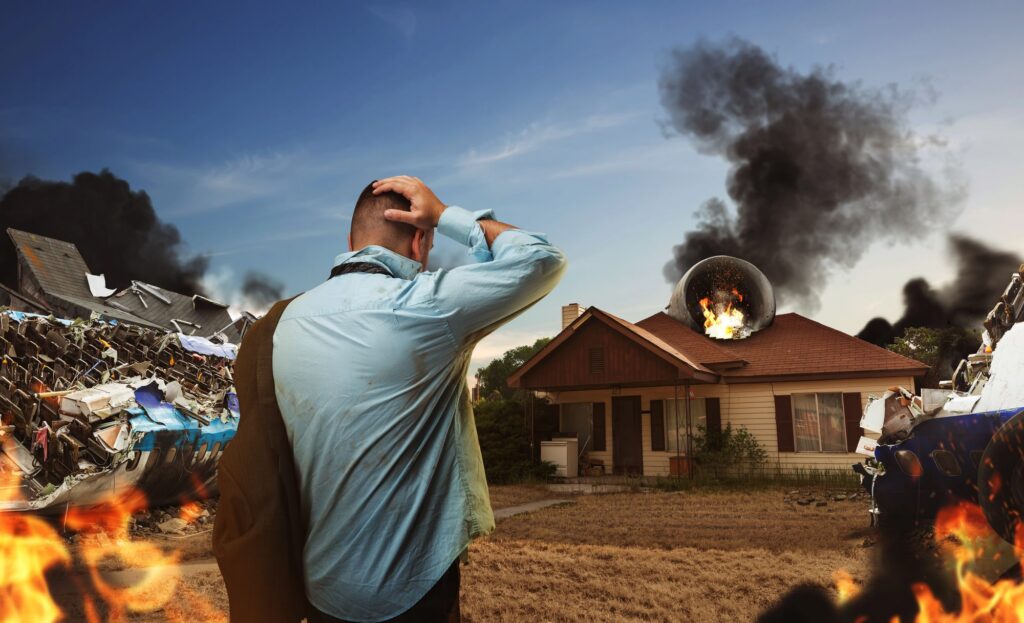
When fire breaks out in your home or business, the damage doesn’t stop once firefighters put out the flames. That’s just the beginning. Both fire and smoke leave behind different types of destruction, and understanding what you’re dealing with makes a real difference in how you approach cleanup, repairs, and working with your insurance company.
How Fire Damage Occurs
Fire damage is pretty straightforward. Flames make direct contact with surfaces and materials, and the intense heat destroys them. Wood beams char and lose their structural integrity. Drywall crumbles. Metal fixtures can actually bend or melt depending on how hot things get. You can see fire damage immediately. Blackened walls. Collapsed ceilings. Burned furniture shows you exactly where the fire traveled through your space. Then there’s all the water damage from putting out the fire, which adds a whole other problem to deal with during restoration.
The Nature Of Smoke Damage
Smoke works completely differently, and honestly, it’s often more insidious than the fire itself. Smoke travels through air currents and gets into areas the flames never touched. We’re talking about microscopic particles that infiltrate porous materials like fabric, insulation, carpet fibers, and even your painted walls. These particles aren’t just sitting there harmlessly. They carry acidic compounds that keep causing damage long after the fire’s out. That lingering smoke smell? It’s not just unpleasant. It’s a warning sign that chemical reactions are still happening, corroding metal, discoloring surfaces, and creating health risks for anyone in the building. Different fires create different types of smoke damage:
- Wet smoke comes from low-heat fires and leaves this sticky, smearing residue that’s incredibly hard to clean
- Dry smoke results from high-heat fires and creates powdery soot that spreads everywhere, but might be slightly easier to remove
- Protein smoke happens in kitchen fires and is nearly invisible, but it produces intense odors that get into absolutely everything
- Fuel oil smoke creates thick, sticky residue with odors that penetrate deep into materials
Why The Distinction Matters For Restoration
First Response Water Damage approaches these two types of damage very differently, and there’s a good reason for that. Fire-damaged materials usually need complete removal and replacement. You can’t save a beam that’s structurally compromised. You can’t repair drywall that’s been charred all the way through. Smoke damage restoration is all about deep cleaning and getting rid of odors. Professionals use specialized equipment like thermal foggers, ozone generators, and hydroxyl machines to neutralize odors at the molecular level. Your HVAC system needs thorough cleaning too, because smoke particles circulate through the ductwork and settle throughout the entire property. The timeline’s different for each type as well. Fire damage? You assess that immediately. You can see what’s destroyed. Smoke damage might take days or even weeks to fully reveal itself as odors intensify and you start noticing corrosion developing on metal surfaces.
Insurance Claim Considerations
Your insurance policy likely covers both types of damage, but how you document them varies quite a bit. Fire damage is straightforward to photograph and assess. Smoke damage requires much more detailed inspection to identify every affected area, including hidden spaces like wall cavities and attic insulation. Professional services like our Renton smoke damage insurance claim service help property owners document the full scope of what happened. Insurance adjusters need comprehensive reports showing where smoke traveled, which materials absorbed particles, and what restoration methods you’ll need to use. Here’s what often gets missed: secondary damage from smoke. Corroded wiring won’t necessarily show problems right away. Degraded insulation looks fine initially. Contaminated HVAC components might work for a while. But if you don’t address these issues during restoration, they’ll fail prematurely, and you’ll be dealing with new problems down the road.
Getting A Professional Assessment
Both fire and smoke damage need professional evaluation. What looks like surface-level soot might actually indicate deep penetration into porous materials. Structural elements can appear intact but have lost significant strength due to heat exposure. You really can’t tell without proper inspection. A thorough assessment identifies all damaged areas and creates a restoration plan that addresses immediate safety concerns while preventing long-term deterioration. Our Renton smoke damage insurance claim service provides detailed evaluations that support complete recovery and help you get proper compensation from your insurance company. Don’t wait to address fire or smoke damage. The longer those particles remain in contact with your surfaces, the more permanent the damage becomes. Reach out to restoration professionals who can properly evaluate your property and start the recovery process before things get worse.

Contact us now for water, smoke & odor remediation!