Water is patient. It finds its way into places you can’t see, settles in spots you wouldn’t think to look, and does damage for weeks or months before you notice anything wrong. By the time a stain appears on your ceiling or your floor starts to buckle, the problem is already further along than it looks.
Seattle’s wet climate makes this especially common. Rain, condensation, plumbing leaks, and appliance failures all create opportunities for water to get into building materials and stay there. Knowing what to look for, and understanding what professionals can find that you can’t, helps homeowners act before small problems become expensive ones.
What Hidden Water Damage Actually Looks Like
The signs of concealed water damage are often subtle, especially early on. By the time they become obvious, significant damage has usually already occurred. Watch for:
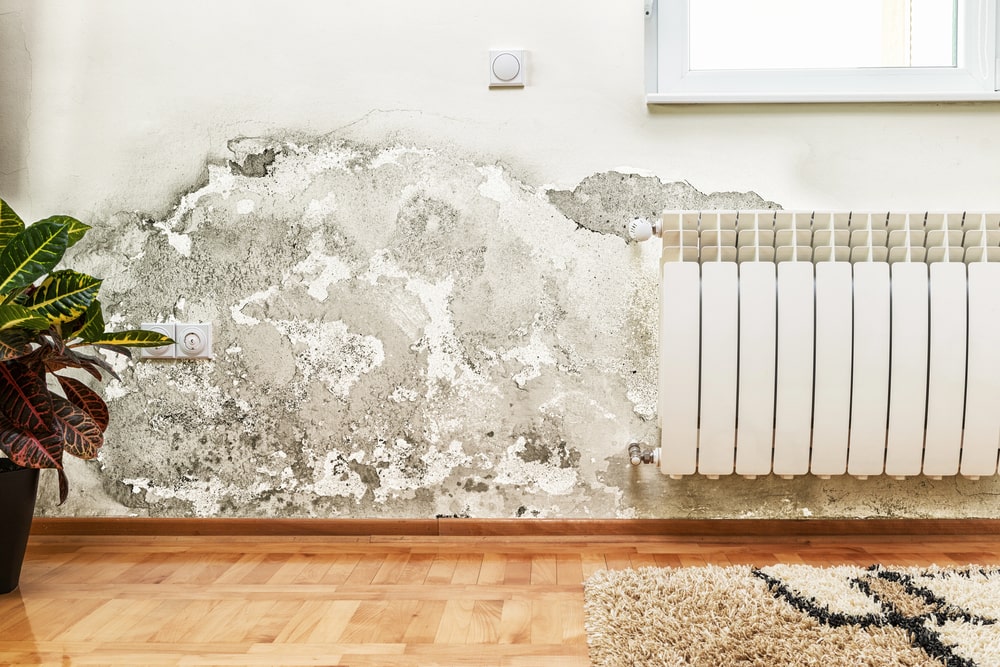
- Discoloration or staining on walls or ceilings that seems to appear without a clear cause, or that grows slowly over time
- Paint or wallpaper that bubbles, peels, or separates from the wall surface without an obvious reason
- Flooring that warps, cups, or develops soft spots, particularly in kitchens, bathrooms, and laundry areas
- Baseboards or door frames that swell, warp, or pull away from the wall
- A persistent musty odor in a room, closet, or lower level that doesn’t go away with ventilation
- Visible mold growth, which signals that moisture has been present long enough for biological growth to begin
- Unusually high water bills without a corresponding change in usage, which can indicate a slow leak somewhere in the plumbing
Any one of these deserves attention. More than one appearing together is a strong signal that water has been somewhere it shouldn’t be for a while.
Why Hidden Damage Is Often Worse Than It Appears
Water moves through building materials in ways that aren’t intuitive. It follows paths of least resistance, which means a leak in one location can produce moisture accumulation in a completely different part of the structure. A slow drip from a supply line inside a wall cavity can saturate insulation, travel down to the subfloor, and spread horizontally before ever becoming visible on a finished surface.
By the time you see evidence of the problem, you’re often seeing a downstream symptom rather than the source. The actual extent of moisture intrusion typically covers a larger area than the visible signs suggest, which is why professional assessment is so important before any restoration work begins.
What Professionals Use to Find What You Can’t See
Experienced water damage restoration professionals use specialized equipment to detect moisture in building materials without tearing everything apart. The primary tools include:
Moisture meters measure the moisture content of wood, drywall, and other building materials by reading electrical resistance or capacitance. A reading above the normal range for that material type indicates elevated moisture that may not be visible on the surface.
Thermal imaging cameras detect temperature differences on surfaces that indicate evaporative cooling from moisture. Wet areas behind walls or under floors show up as cooler regions in an infrared image, allowing professionals to map moisture distribution without destructive investigation.
Hygrometers measure relative humidity in the air, which helps establish whether a space has elevated ambient moisture that could promote mold growth even when the material moisture readings are borderline.
Borescopes allow professionals to look inside wall cavities through a small drilled hole rather than opening entire sections of drywall. When moisture readings suggest a problem inside a wall, a borescope confirms what’s there before any demolition begins.
Together these tools allow a trained technician to map the full extent of moisture intrusion with a level of accuracy that visual inspection alone can’t provide. That mapping is what drives the restoration plan and determines what needs to dry out versus what needs to come out entirely.
First Response Water Damage uses professional moisture detection equipment on every job in the Seattle area. When Brent and the team arrive, the goal isn’t just to address what’s visible. It’s to understand the complete picture of where water has traveled so the drying plan actually works.
Why Acting on Early Signs Matters
The longer moisture stays in building materials, the more damage it does. Wood begins to lose structural integrity. Drywall deteriorates. Mold can begin colonizing within 24 to 48 hours under the right conditions. A hidden water problem that’s caught and addressed within days costs significantly less to resolve than one that’s been developing for weeks.
If you’re seeing any of the warning signs described above or you’ve had a water incident and aren’t sure whether it was fully addressed, reaching out to a Seattle 24/7 water damage response team gives you a professional assessment that tells you exactly where things stand, before the damage goes any further.
Contact us now for water, smoke & odor remediation!